Nº01
The old harbour and its kasbah
A cobbled basin of bright fishing boats framed by the Ottoman kasbah and the Ksiba, lined with quayside terraces and a fish market.
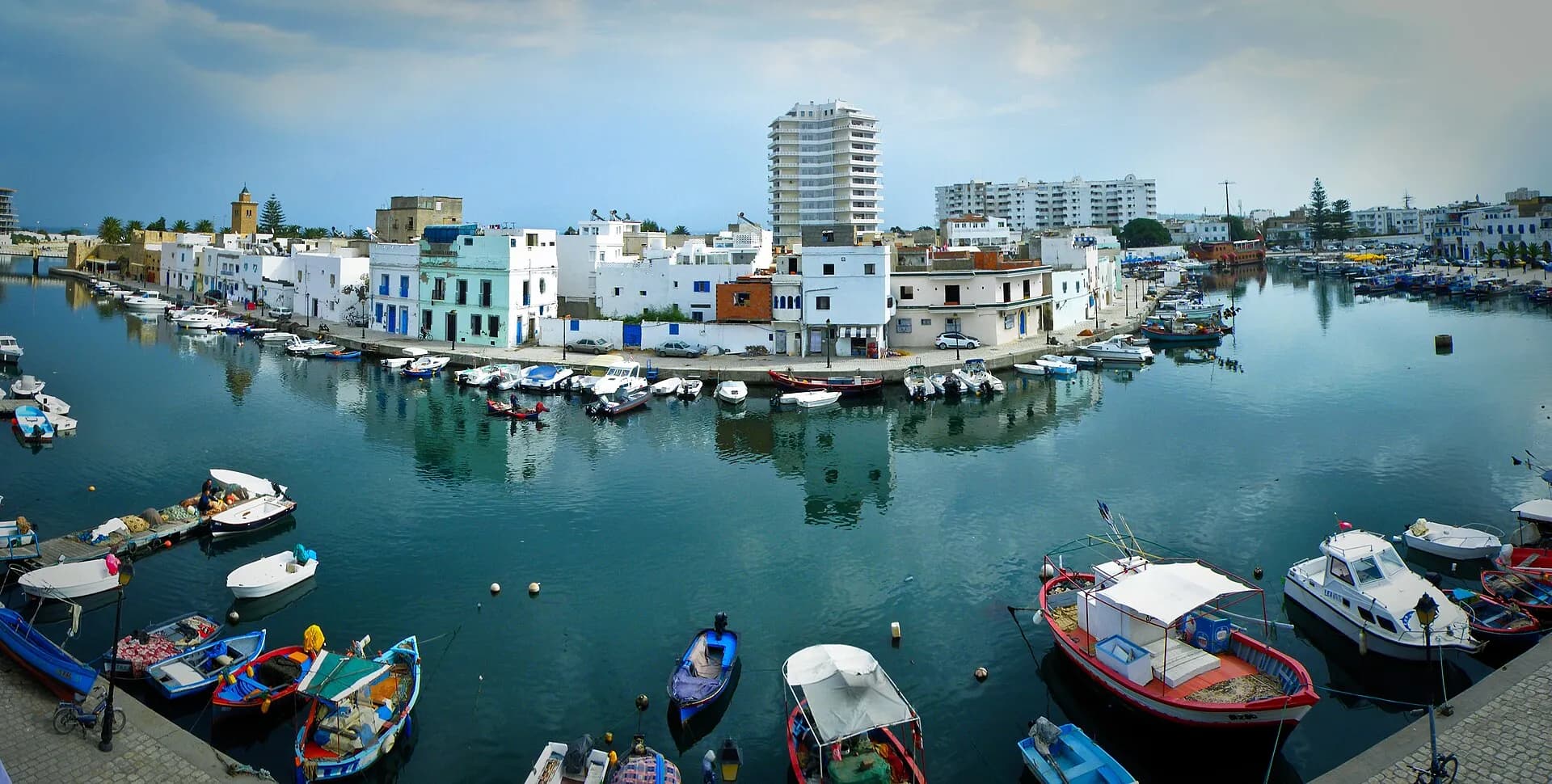
Africa's northernmost harbour, between lakes and corsair forts
Spread along Tunisia's north coast, Bizerte is the northernmost city in Africa and still bears the marks of its Phoenician, Andalusian, Ottoman and French chapters — the French only left its naval base in 1963. The old port, tucked beneath a 17th-century kasbah, opens onto a saltwater lake linked to the Mediterranean and onto Ichkeul National Park, a UNESCO World Heritage site for its migratory birds. The governorate covers 3,750 km² of golden beaches (Raf Raf, Sidi Salem, Sidi Mechreg), dramatic capes (Cap Blanc — the continent's northern tip — and Cap Zbib), offshore islands (Pilau, Galite) and craft villages like Sejnane, whose women's pottery is inscribed on UNESCO's intangible heritage list. An hour from Tunis on the A4 motorway, it is the ideal base for the north coast, the ancient ruins of Utica and the old corsair haven of Ghar el Melh.
What It's Known For
A cobbled basin of bright fishing boats framed by the Ottoman kasbah and the Ksiba, lined with quayside terraces and a fish market.
A freshwater lake and UNESCO wetland that hosts tens of thousands of migratory birds wintering between Europe and Africa.
A chain of capes, coves, springs and offshore islands (Pilau, Galite) along Africa's northernmost peninsula — best explored by car or on foot.
Hand-built, open-fired Amazigh pottery made by the women of Sejnane village, inscribed on UNESCO's intangible heritage list in 2018.
Must-See Landmarks
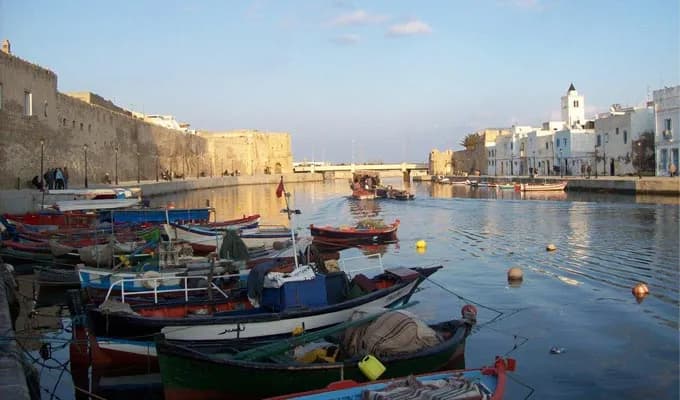
A historic basin first dug in Phoenician antiquity, now ringed by whitewashed houses, cafés and brightly painted fishing boats.
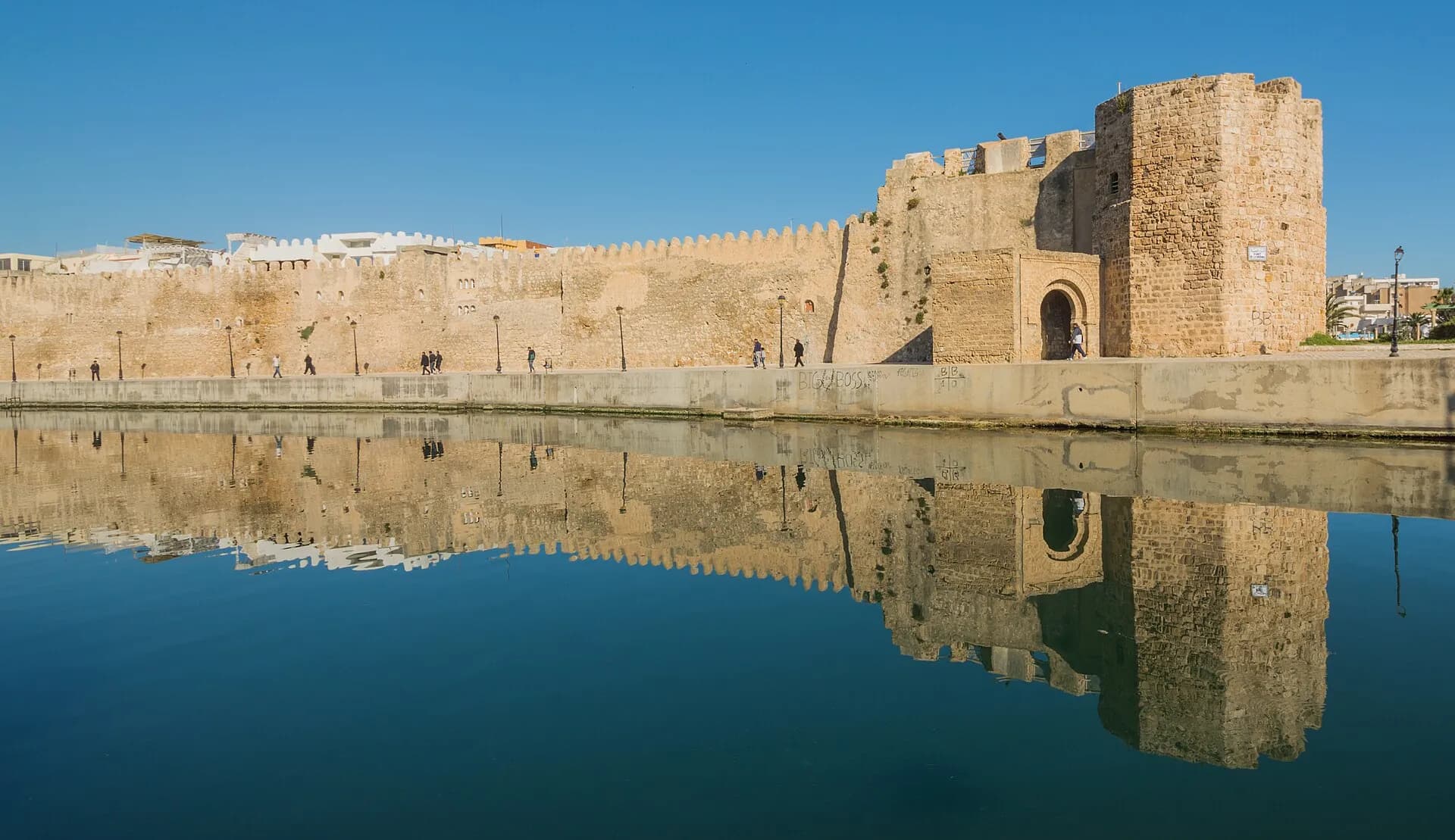
A 16th–17th-century Ottoman fortress whose ochre ramparts overlook the channel mouth, sheltering alleys, mosques and a small oceanographic museum.
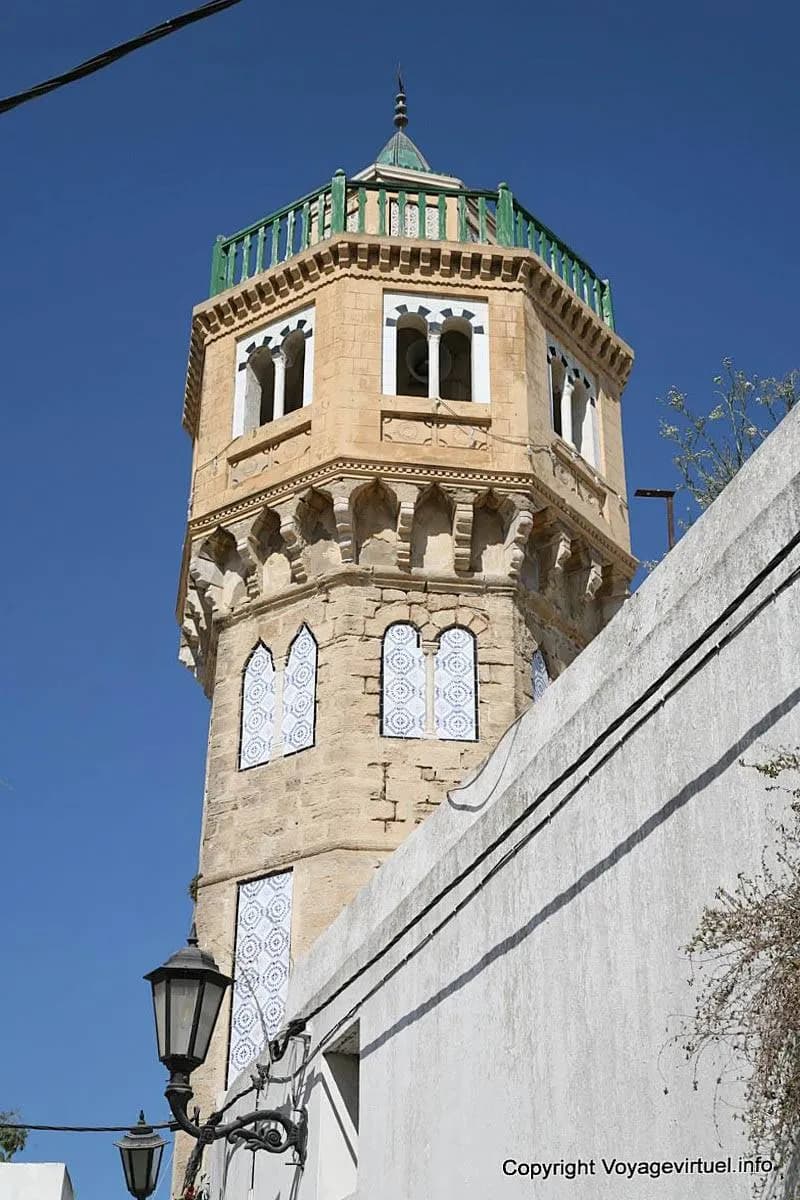
A 17th-century mosque in the heart of the medina, recognisable by its octagonal stone minaret crowned with a green-tiled lantern.
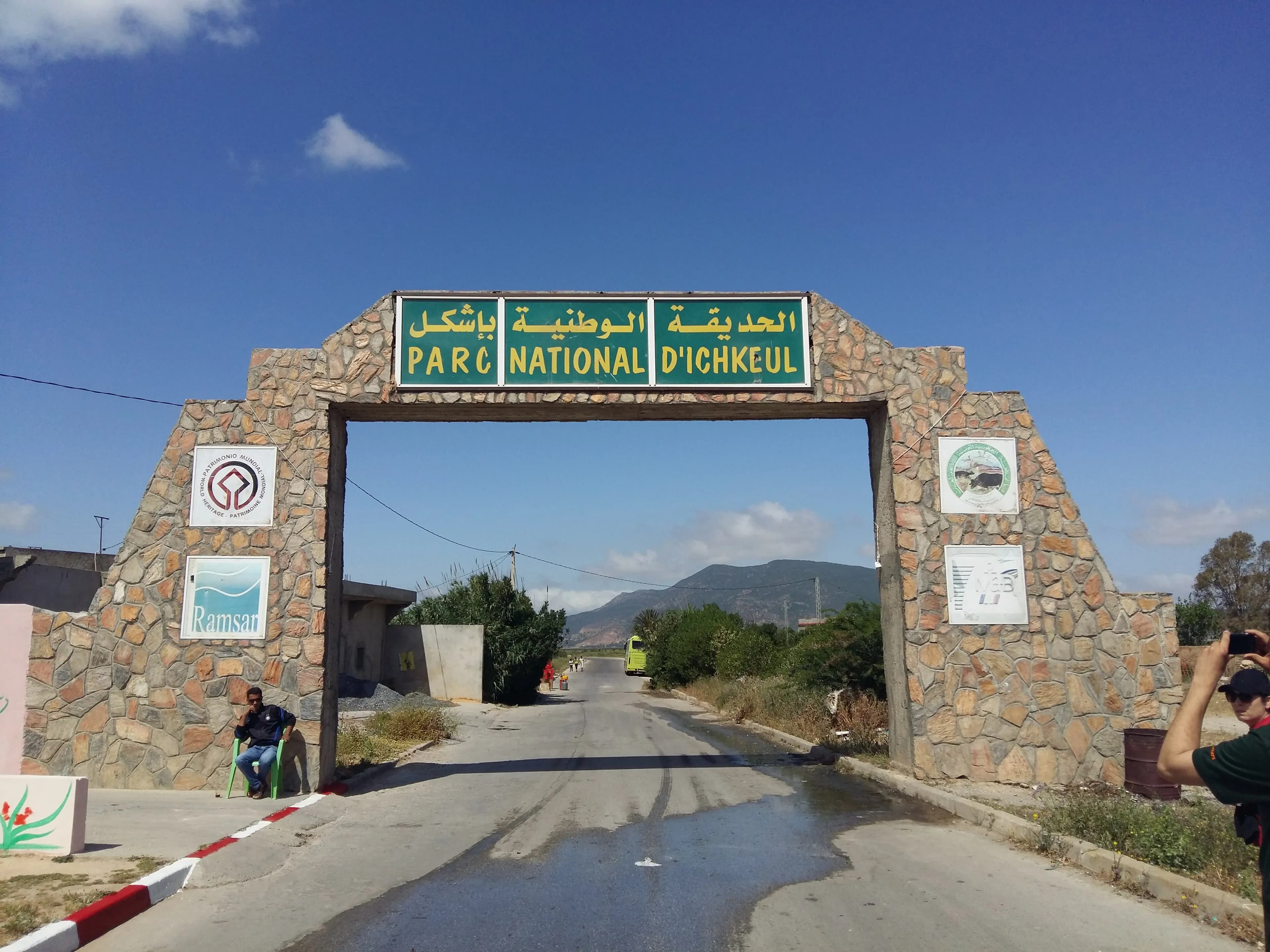
The only Tunisian site listed both as UNESCO World Heritage and a Ramsar wetland: a freshwater lake, Mount Ichkeul and marshes that welcome flamingos, geese and ducks each winter.
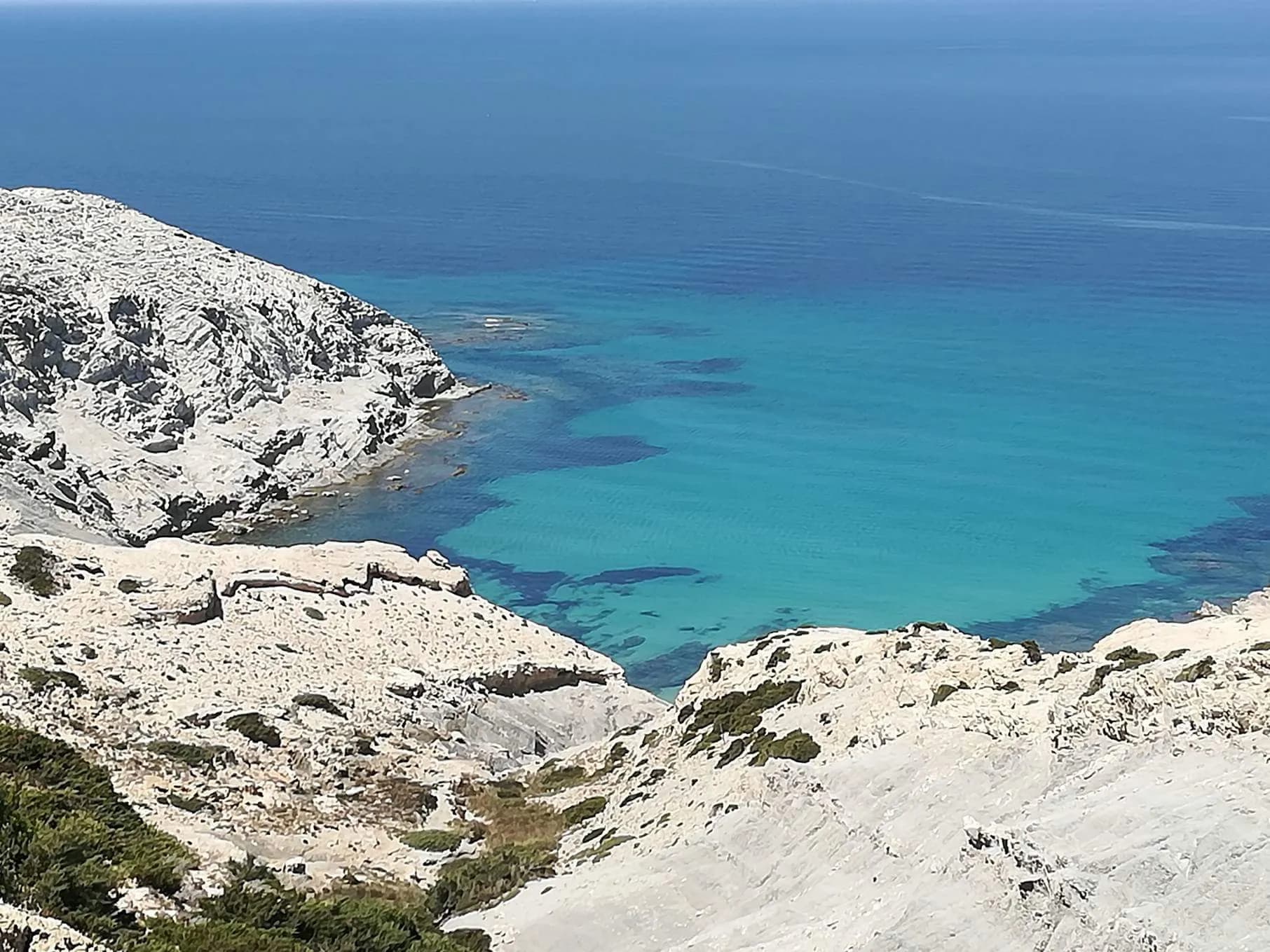
A white-limestone headland about ten kilometres north of Bizerte, considered the northernmost tip of the African continent; the 'Blue Forest' just above offers a sweeping panorama.

A rugged cape on the eastern side of the governorate, a wild lookout between Raf Raf and Ghar el Melh, popular with hikers and campers.

A hat-shaped sedimentary rock rising about 2 km off Raf Raf beach, the visual signature of the bay.

A volcanic archipelago 60 km offshore — Tunisia's most remote — a refuge for monk seals and a top-tier diving destination.

A sheltered cove near Ras Jebel famed for a freshwater spring bubbling up at the shoreline and its natural clay used as a skin mask.

A remote village and beach in the western part of the governorate, set between maquis and hills, famed for sunsets and ecotourism.

A string of falls in the wooded hills of the south-western governorate, reached by a short hike through olive groves and cork oaks.

A little-known waterfall in the Joumine mountains south-west of Ichkeul, ideal for camping and hiking in the green season.
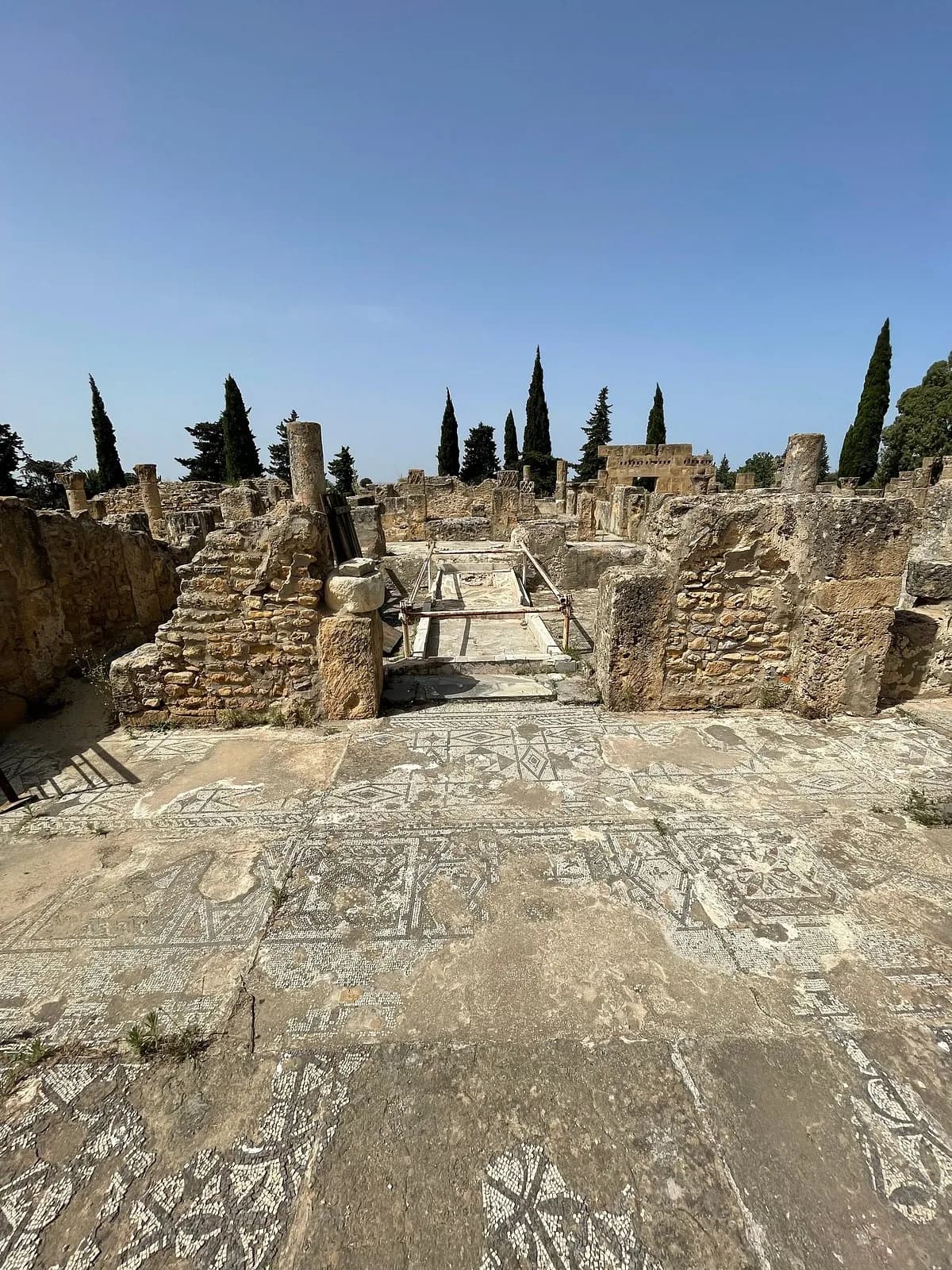
An ancient Phoenician city founded before Carthage and a major Roman port; visitors explore the House of the Cascade, baths, mosaics and a small museum.
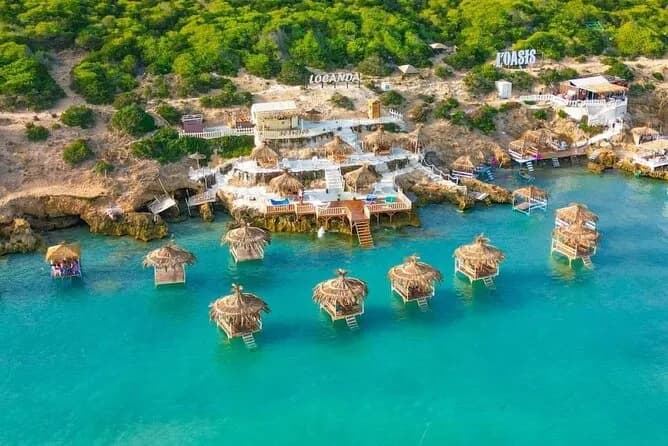
A former Ottoman corsair base (Porto Farina) tucked between a Ramsar lagoon and Mount Nadour, famed for its 'ramli' floating gardens and three forts.
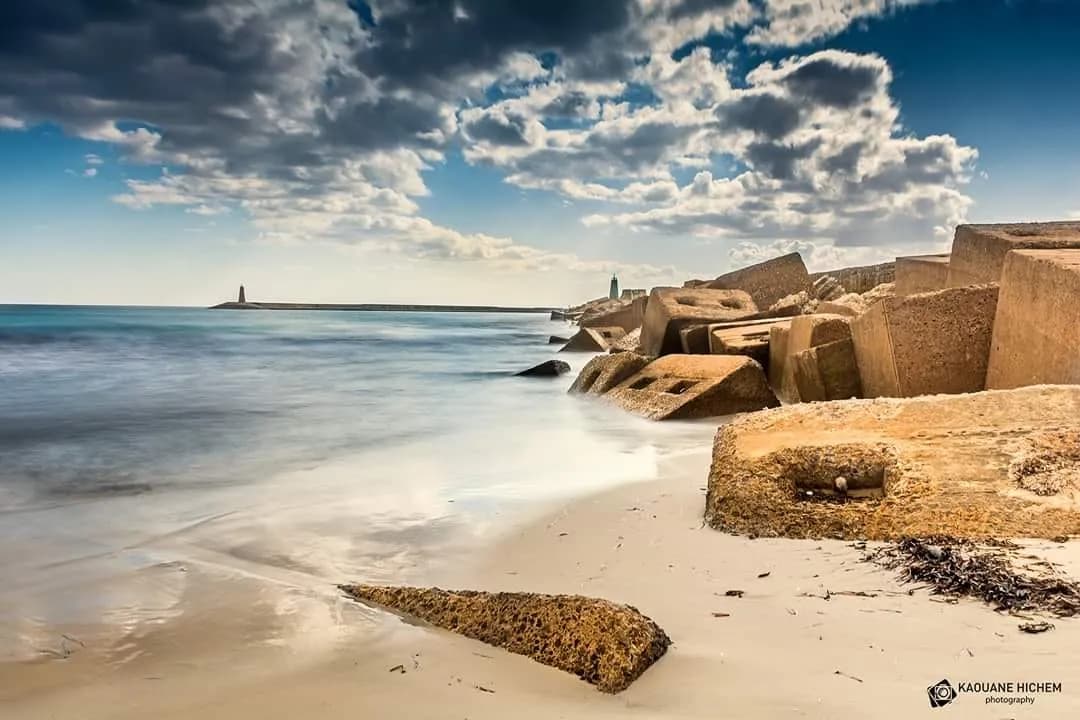
A long stretch of golden sand south of the city, nicknamed the 'Bizertines' beach' for its summer crowds of locals and beachfront cafés.
Local flavors
Traditional dishes you must try
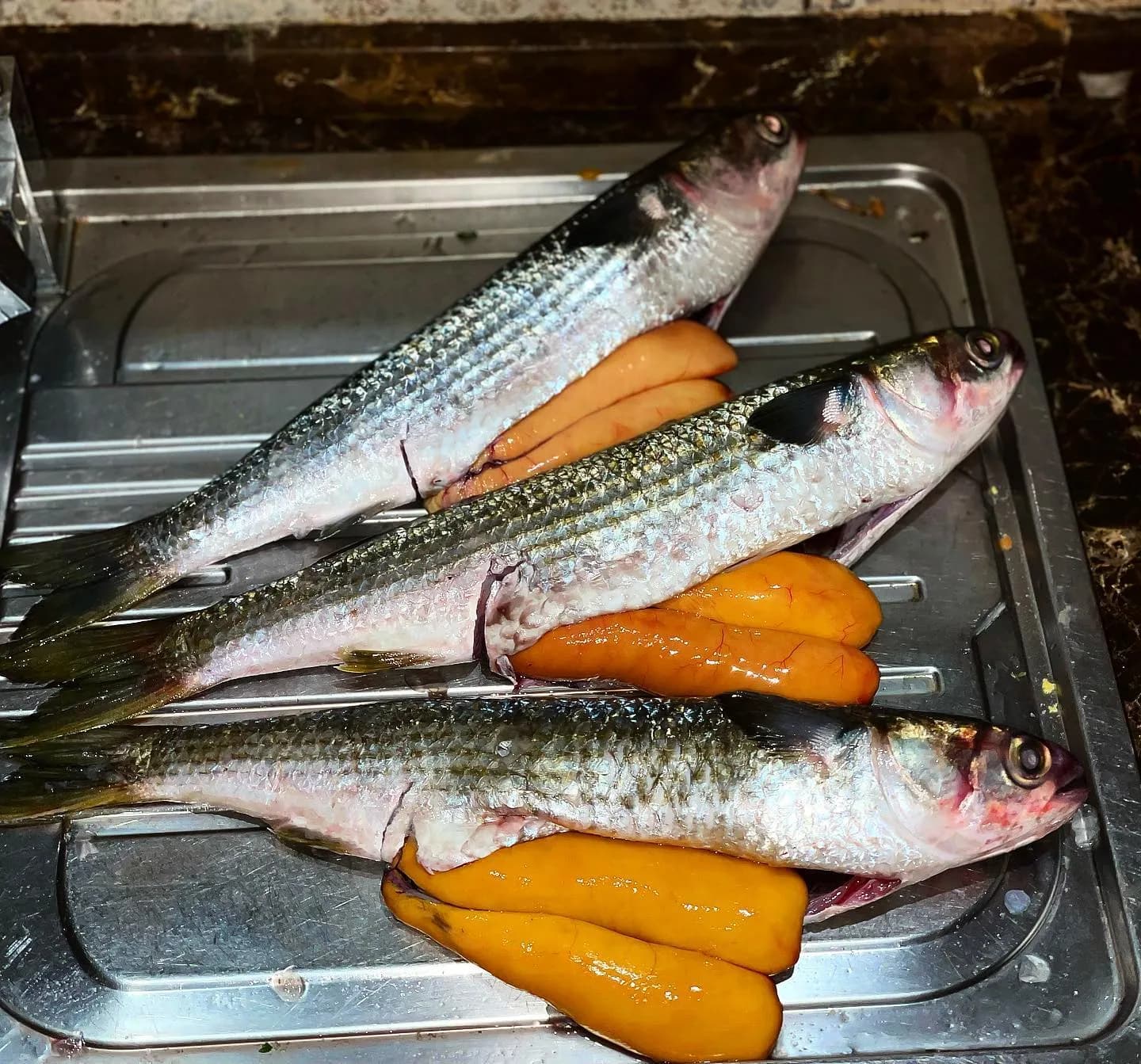
Salted and sun-dried mullet roe — the 'caviar of the Mediterranean' — for which Bizerte is among the most renowned producers.

Fine semolina served with grouper, sea bream or red mullet cooked in a harissa-red sauce, a legacy of the Maltese fishermen who settled in Bizerte.
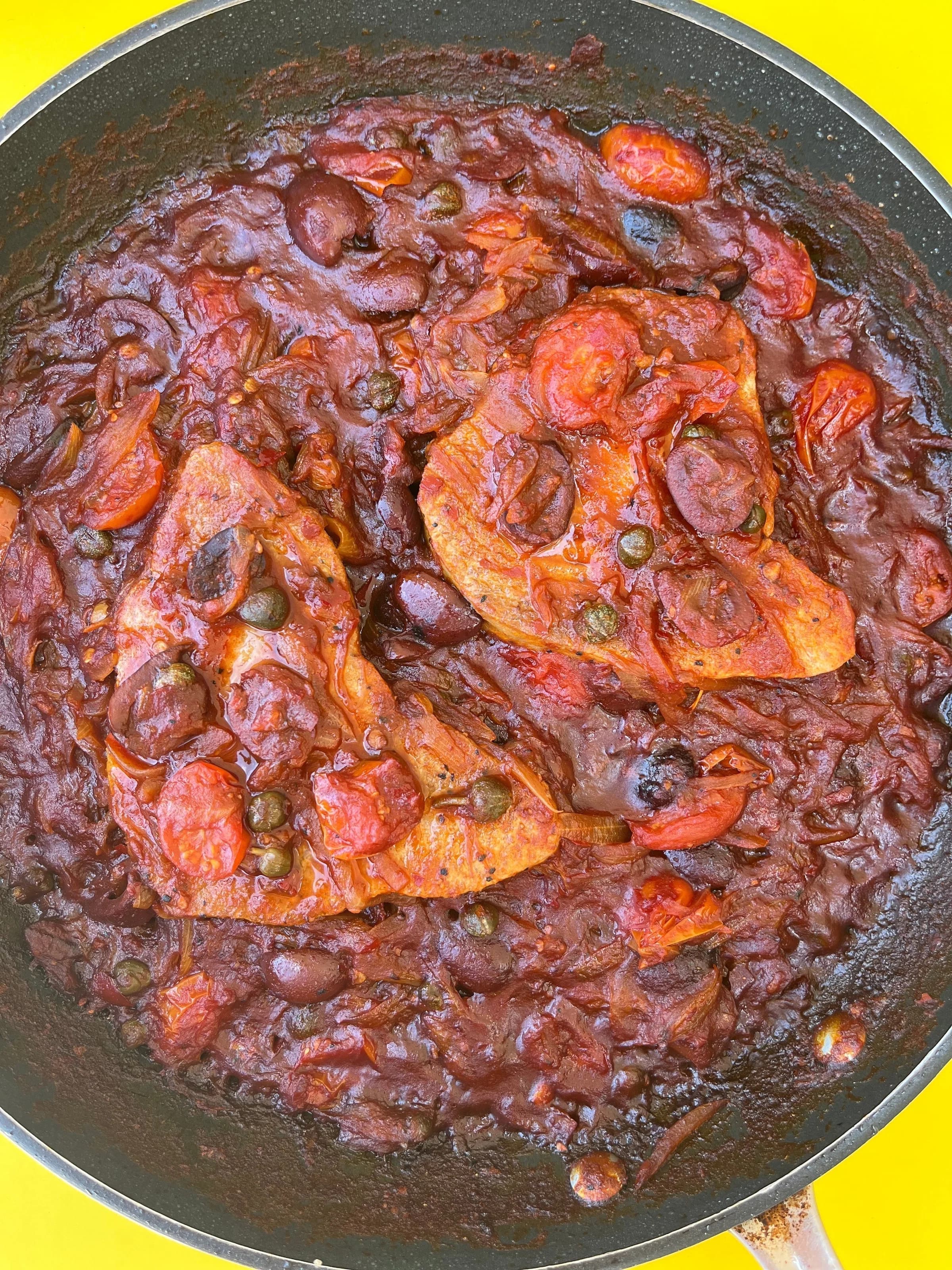
A fish stew simmered in tomato sauce with capers, green olives, preserved lemon and a touch of saffron, a north-coast classic.
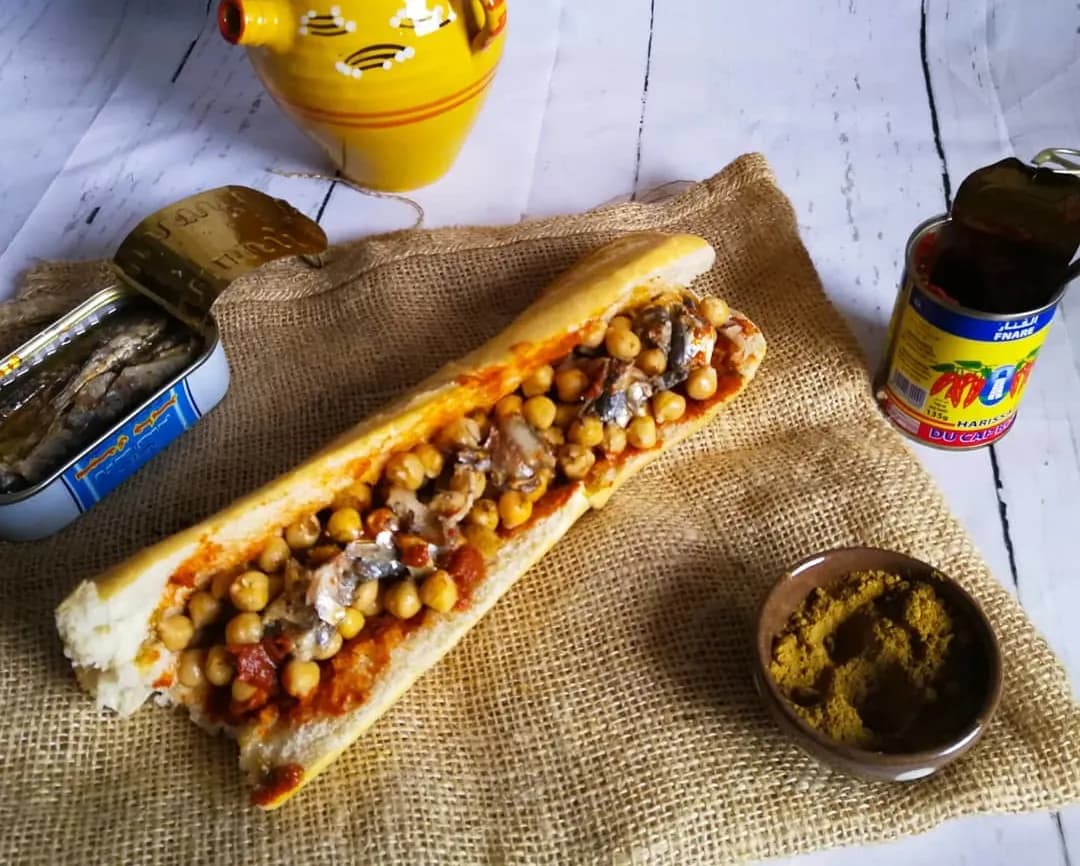
Bizerte's signature sandwich: a round loaf stuffed with crushed chickpeas, harissa, capers, olives, hard-boiled egg and a drizzle of olive oil — the king of post-beach snacks.
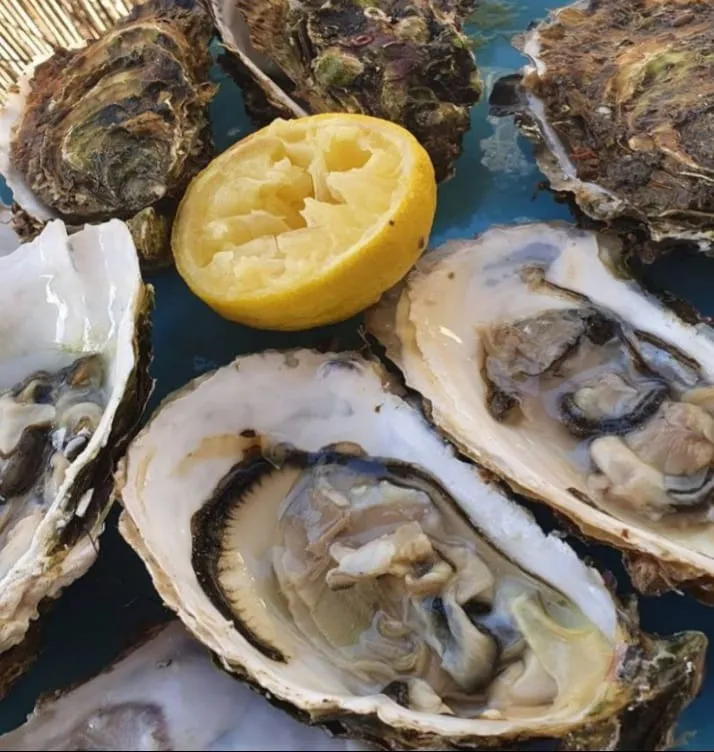
Oysters farmed in Lake Bizerte, where brackish-Mediterranean waters give a delicate, briny flesh, served raw with lemon.

A cult local pastry: vanilla-cream millefeuille served for decades at Pâtisserie Zallez on Avenue d'Algérie — the sweet memory of every Bizertine.
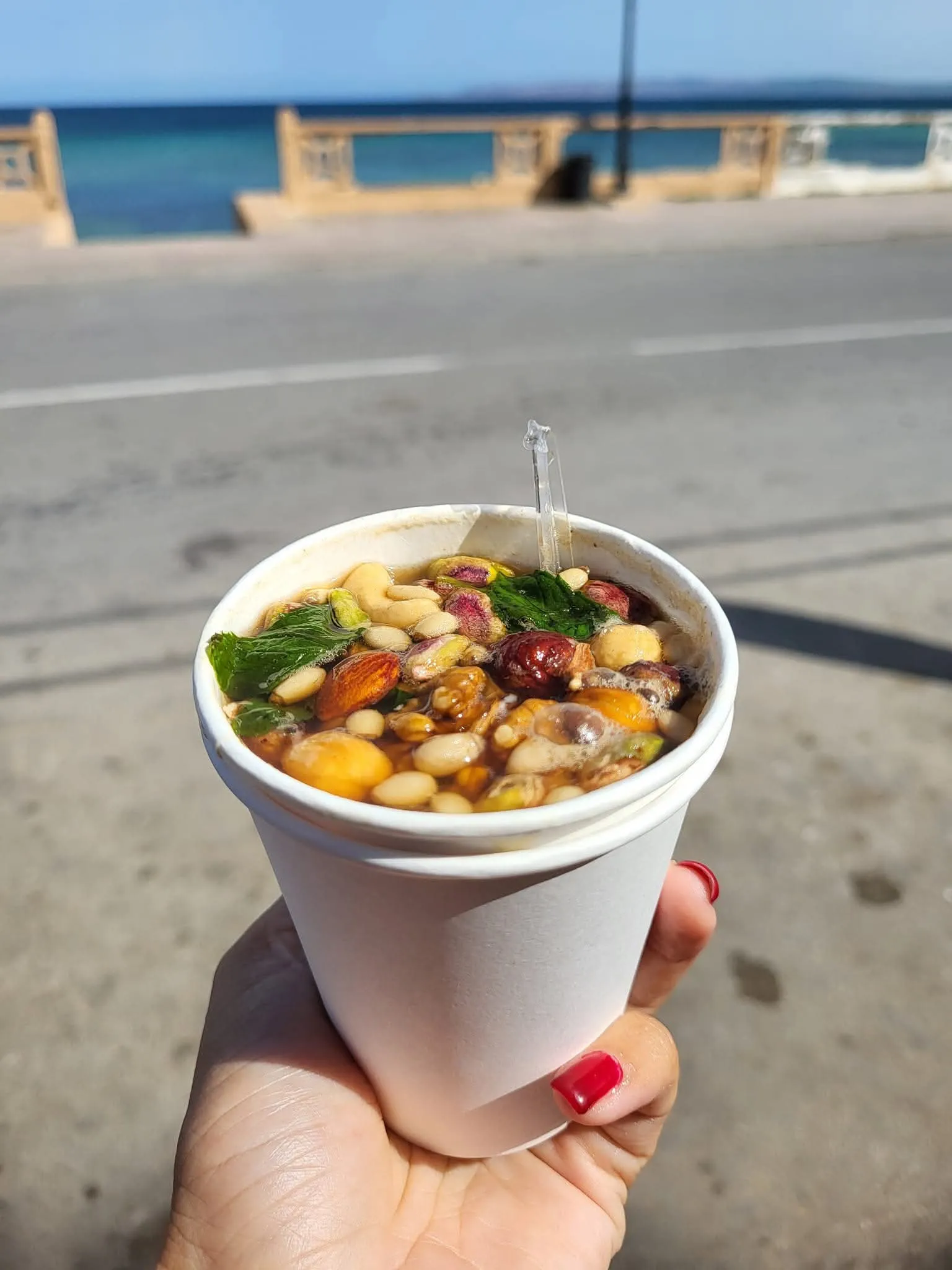
A glass of green mint tea topped with a piece of baklawa and a generous handful of mixed nuts, the signature of old-port tea rooms like Tea Pot.
Where to eat
From fine dining to local favorites
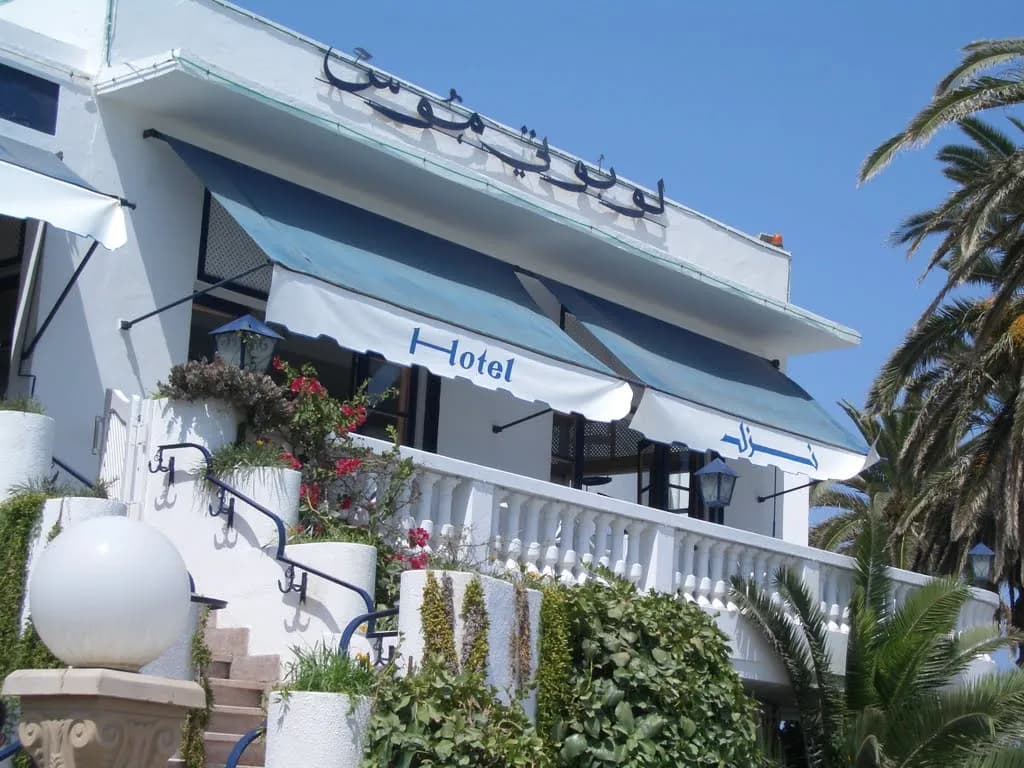
A family-run institution founded in 1930 on the corniche, celebrated for wild-caught fish, seafood and refined French-Tunisian cooking.
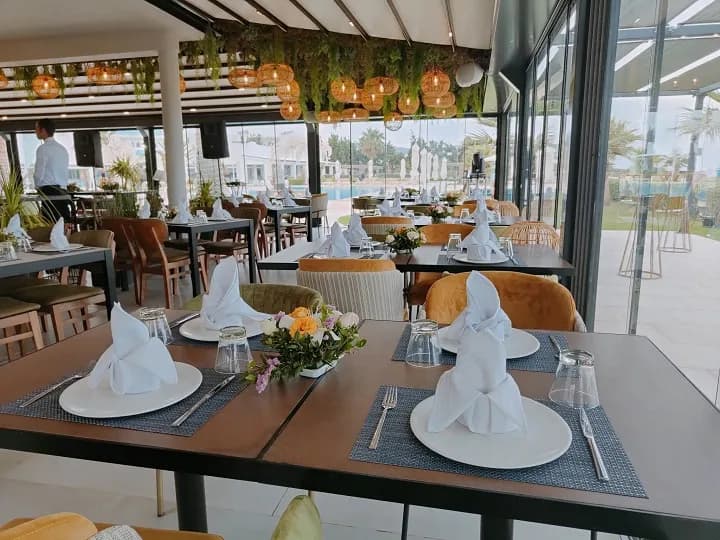
A flagship address in the tourist zone with a panoramic sea-view terrace, inventive cocktails and a polished Mediterranean menu — perfect at sunset.
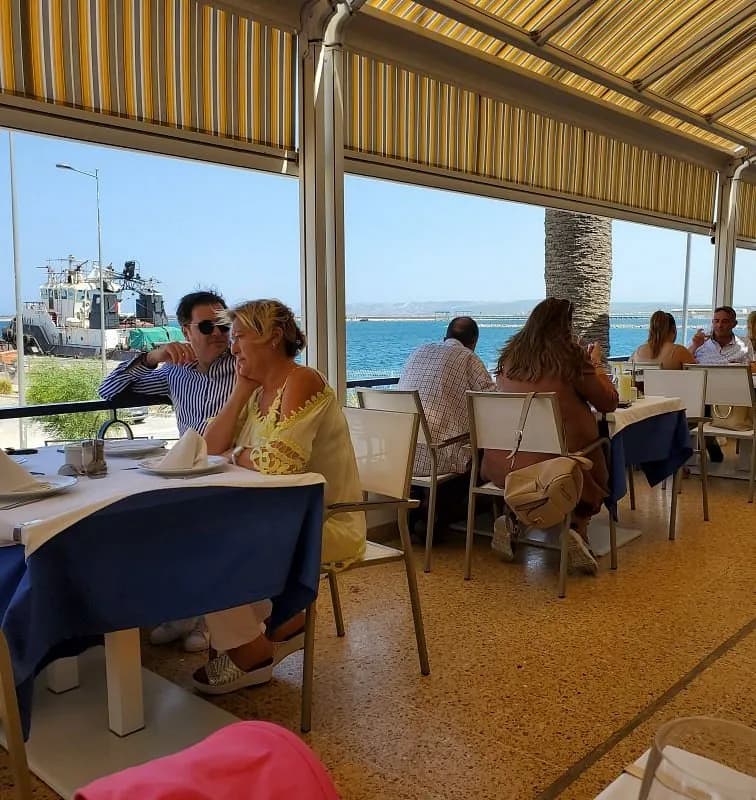
A long-standing address on Quai Tarak Ibn Ziad overlooking the channel, serving Mediterranean fish and seafood in a refined dining room.
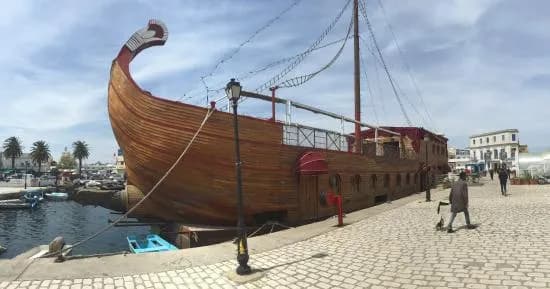
A boat-restaurant moored in the old port, with a wooden deck and views of the kasbah, specialising in local fish and seafood pasta.

A Palestinian restaurant on the corniche, with generous mezze, Levantine grills and lively brunches in a polished family setting.

A wildly popular brunch spot on the Aïn Mariem road, with generous breakfast platters and reasonably priced French-Tunisian dishes — come early at weekends.

A modern café-restaurant on Boulevard Habib Bougatfa with direct sea and marina views; Italian pizzas, burgers and home-made desserts.

A two-storey restaurant and tea-house on the corniche, with big sea-view windows — great for an affordable breakfast or afternoon tea.
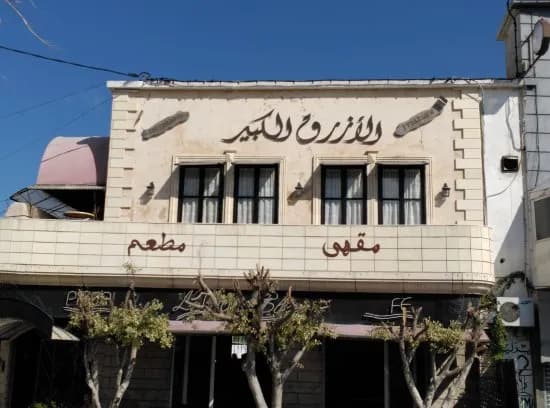
An Italian-Tunisian trattoria on the corniche, popular for wood-fired pizzas, home-made pasta and tables under pines facing the sea.

A pastry shop, café and restaurant open almost around the clock, famed for pistachio cinnamon rolls, croissants and lemon tarts.
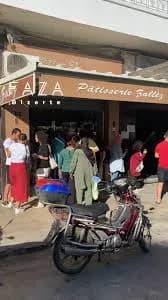
A venerable pastry shop on Avenue d'Algérie whose vanilla-cream millefeuille has been a sweet pilgrimage for generations.
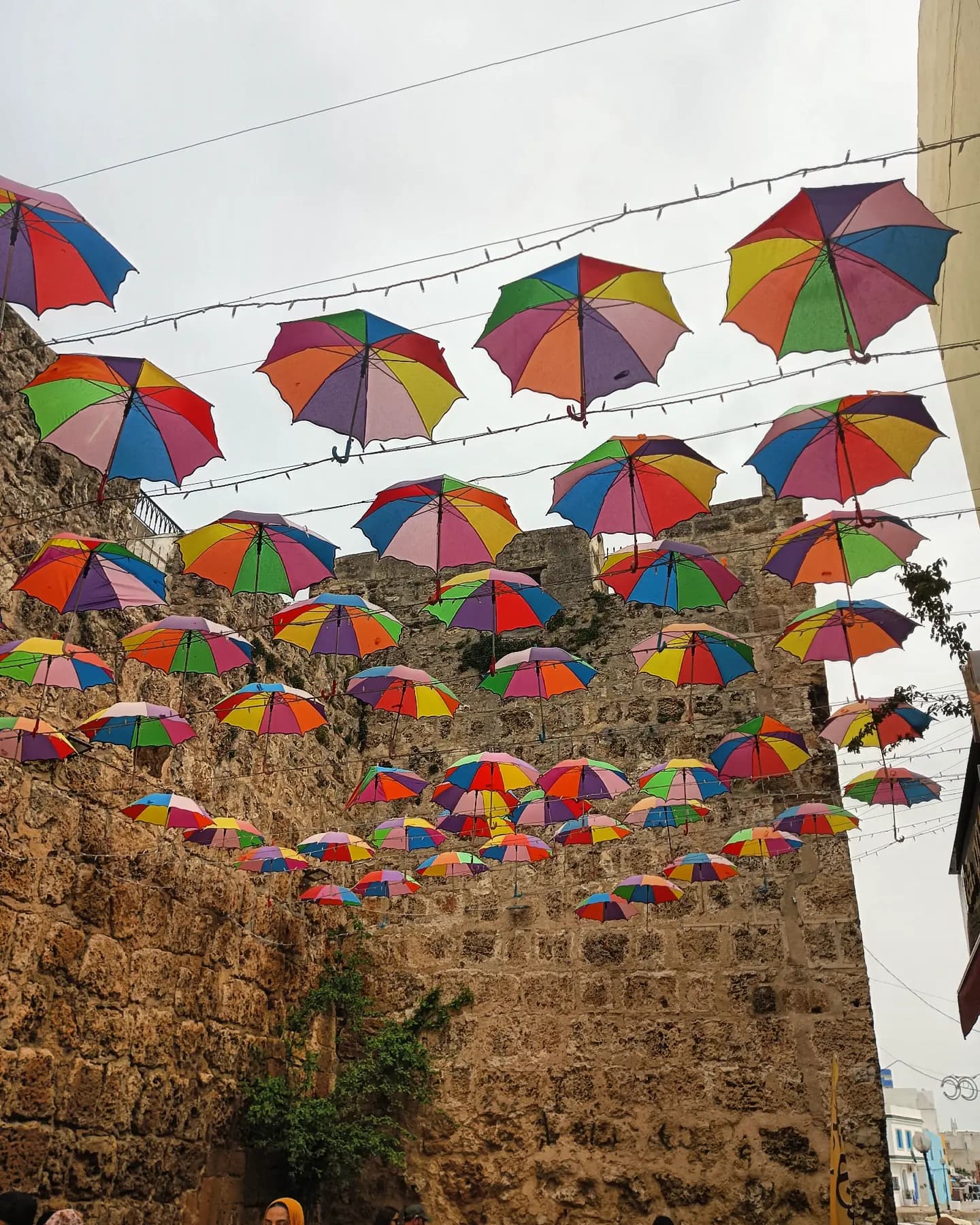
A laid-back tea house near the old port, famed for its baklawa tea generously topped with mixed nuts at unbeatable prices.

A cult counter on Avenue 14 Janvier whose lablebi sandwiches with tuna or sardines — generously drizzled with olive oil and harissa — are a Bizerte benchmark.
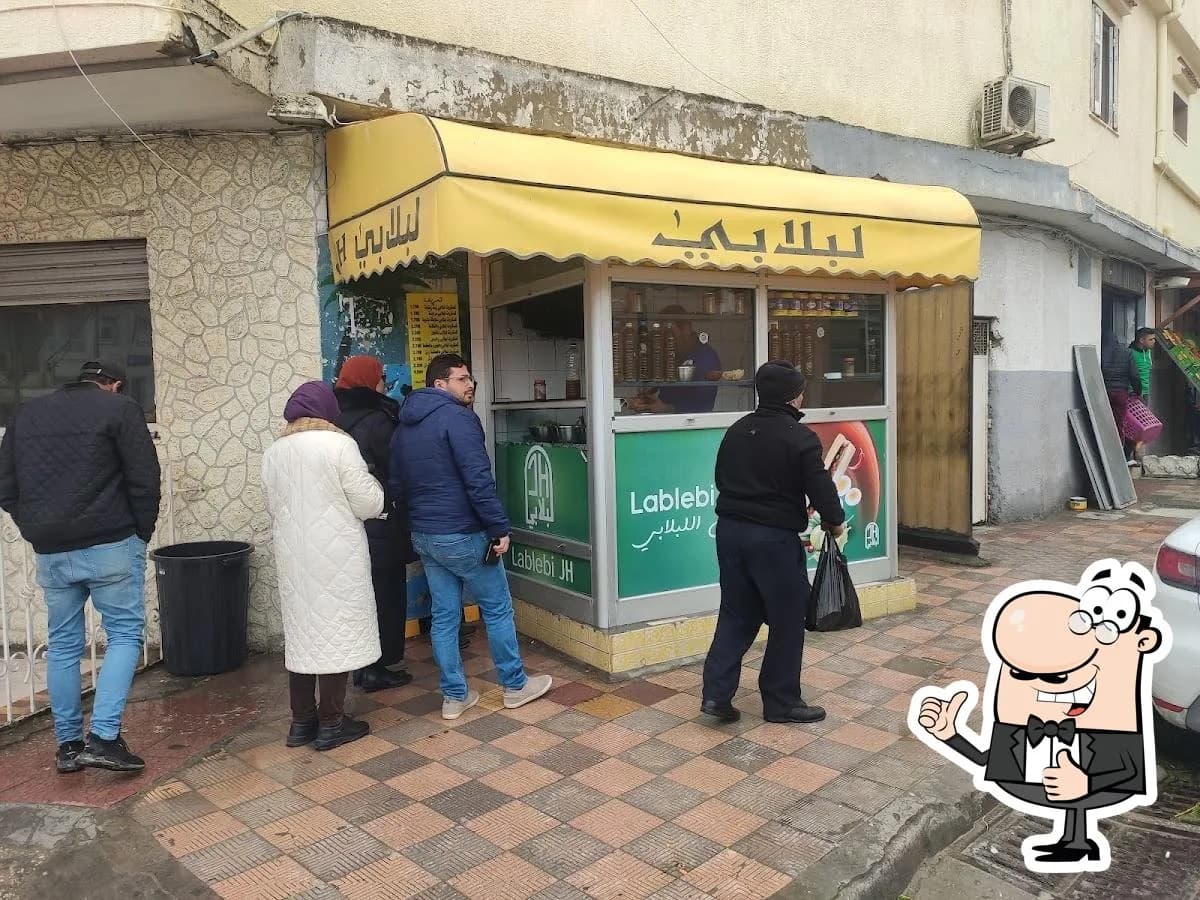
One of Bizerte's oldest lablebi vendors, with one counter in El Bhira and another on the corniche: generous portions, tidy kaskrouts and home-made harissa.
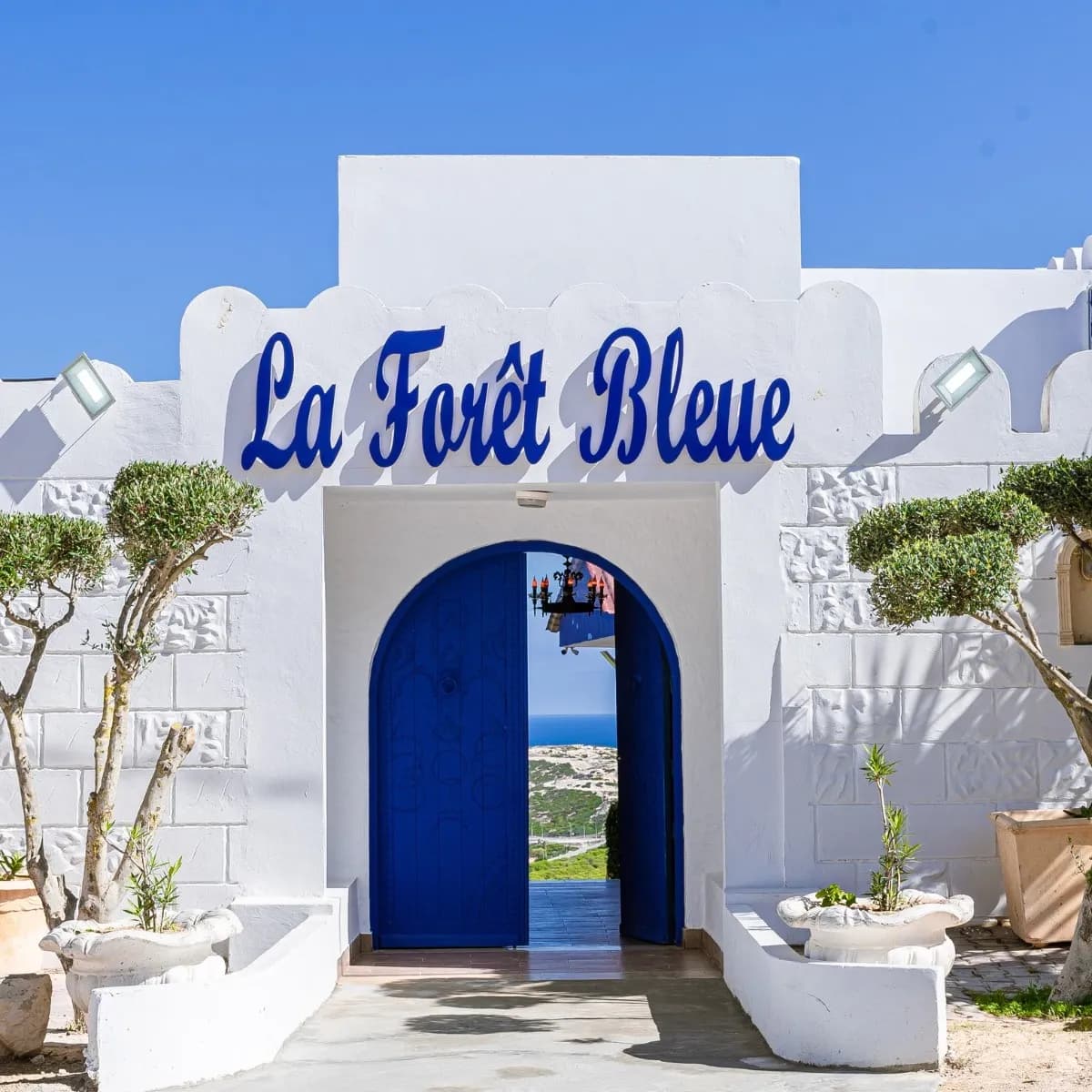
A resort-restaurant perched above Cap Blanc with an infinity pool facing the sea, serving pizzas, pasta and grilled fish in a breathtaking setting — 4×4 piste access.
Watch
A glimpse of what awaits you on the ground
Getting Around
Reaching the governorate
A4 motorway then Bizerte exit, about 65 km from Tunis. Toll and fuel included in the price range shown.
SNTRI buses leaving from Bab Saadoun or Moncef Bey in Tunis, several departures daily.
View scheduleSNCFT Tunis–Bizerte line (98 km, 2nd class only), usually one to two trains per day, slower than the bus.
View scheduleOnce you're there
Check that the meter is running; a night surcharge applies after 9 pm.
Essential for reaching Ras Jebel, Sejnane, Mateur, Raf Raf or Ghar el Melh; leaves once the vehicle is full.
Regional SRTGB network, useful for Menzel Bourguiba, Ras Jebel and Sidi Salem beach.
Indispensable for the wild coast: Cap Blanc, Cap Zbib, Sidi Mechreg, Oued Zitoun and Aïn Mazer waterfalls.