Nº01
Authentic walled medina
The best-preserved Aghlabid medina in the Mediterranean, ringed by 2,750 m of 9th-century ramparts and 34 towers, on UNESCO's Tentative List since 2012.
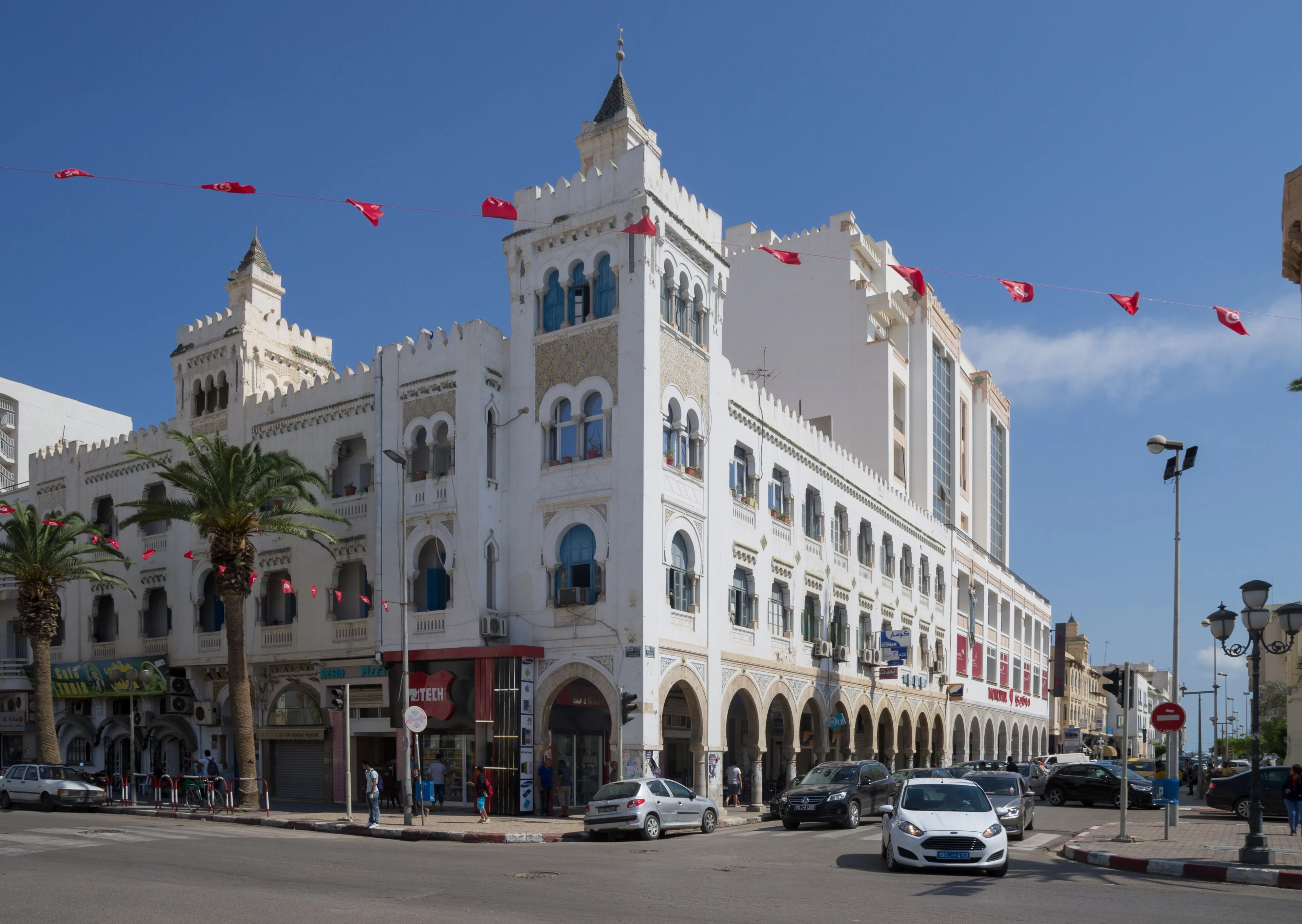
Olive-oil capital, walled medina, gateway to Kerkennah.
Tunisia's second-largest city and the economic powerhouse of the south, Sfax stretches along 235 km of Mediterranean coastline midway between Tunis and the deep south. Founded in 849 AD on the orders of the Aghlabid emirs of Kairouan, it preserves the best-kept walled medina in the Mediterranean and holds the title of Tunisia's olive-oil capital, producing roughly 40% of national output from groves that include Henchir Châal, one of the world's largest olive estates. As the country's leading fishing port and a major phosphate-export hub, the city pairs working-port authenticity with a layered Punic-Roman heritage at Thyna and Aghlabid treasures inside its 9th-century ramparts. It also serves as the gateway to the Kerkennah Islands and a practical staging base for journeys into southern Tunisia.
What It's Known For
The best-preserved Aghlabid medina in the Mediterranean, ringed by 2,750 m of 9th-century ramparts and 34 towers, on UNESCO's Tentative List since 2012.
Tunisia's olive-growing heartland: about 40% of national output, nearly 356,000 ha of groves and 8 million trees, including the legendary Henchir Châal estate.
A low, luminous Ramsar-listed archipelago 21 km offshore, still living to the rhythm of traditional charfia fishing using palm-frond fixed traps.
Home to Tunisia's largest fishing port, Sfax has crafted a merchant-and-sailor cuisine: Eid charmoula, fish couscous, brik, and almond pastries.
Must-See Landmarks

Founded in 849 by the Aghlabids, this 24-ha quadrilateral enclosed by 2,750 m of crenelated ramparts and 34 towers is considered the most representative surviving example of early Arab-Muslim orthogonal urbanism in the Mediterranean.

Founded in 849 by the Aghlabids alongside the city walls, remodelled by the Zirids and expanded under the Husainids, it is renowned for its richly decorated eastern façade and 25 m three-tier square minaret.

Historic gate of the medina, one of the two original Aghlabid openings, heavily fortified in the 17th century; its triple-arched ensemble is today the principal entrance facing Place de la République.

Set in a 17th-century Andalusian-style palace once home to the Jellouli family, this regional museum of popular arts and traditions displays traditional costumes, reverse-glass paintings and reconstructed scenes of 18th-century Sfaxien life.

Originally a 9th-century Aghlabid watchtower at the southwestern corner of the medina, later seat of municipal government and a colonial-era prison, it now houses the Museum of Traditional Architecture.

Vast seaside salt pans south of Sfax, worked since Roman times and still active today. At dusk, the high salinity and Dunaliella algae tint the basins a powdery pink, creating a dreamlike landscape loved by photographers and migrating birds — flamingos and stilts among them.

A low-lying archipelago in the Gulf of Gabès about 20 km off Sfax, made up of Gharbi and Chergui linked by a Roman-era causeway; Ramsar-listed wetlands, remains of the ancient city of Cercina and traditional charfia fishing.

About ten kilometres south of Sfax, an ancient Punic city that became a Roman colony under Hadrian and a frontier town of the Fossa Regia; surviving features include a 3 km wall with 84 towers and the Baths of the Months with their mosaics.

Housed in the City Hall since 1907, it is one of Tunisia's oldest museums; it holds mosaics, coins and the country's largest collection of Roman blown glass, with finds from Thaenae, Taparura and Mahres.
Local flavors
Traditional dishes you must try

A sweet-savoury confit of red onions slow-cooked in olive oil with raisin purée, cinnamon and dried rose buds, served with salted fish on the first day of Eid al-Fitr.

The city's signature Sunday-lunch dish: a spicy red sauce of harissa, cumin and tabel simmered with whole fish, then served over semolina topped with grilled chillies.

A festive lamb stew slow-cooked with prunes, dried apricots, raisins, almonds, cinnamon and orange-blossom water until the sauce reduces to a glossy honey-like glaze.

A layered semolina pastry filled with date paste and drizzled with geranium-flower-scented syrup, served at Sfaxien weddings and family celebrations.
Where to eat
From fine dining to local favorites
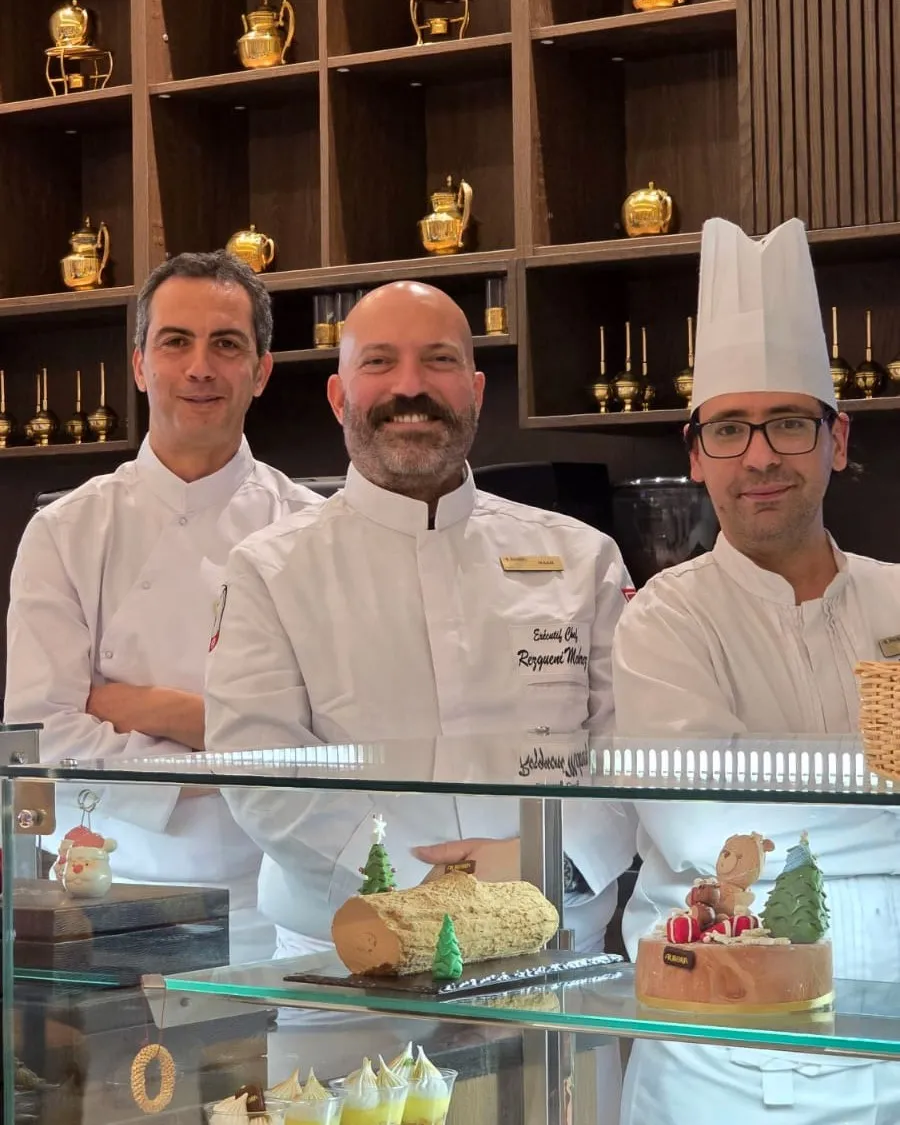
A contemporary fine-dining address in northern Sfax, set in a bright villa with a refined décor, reinterpreting seafood and Mediterranean cuisine with a modern twist.

A historic downtown address founded in 1983, known for refined seafood and Sfaxien dishes including stuffed squid and grouper couscous.

A charming hotel-restaurant between the center and the airport, famous for its full Sfaxien tasting menu of soup, four-salad platter and raisin-meat couscous.

A family institution in the heart of the medina, famed for decades for its charcoal-grilled lamb-and-liver skewers paired with house Sfaxien sauces.

A charming address founded in 1963 right against the medina walls at Bab Bhar, serving fish soup, house brik and grouper opposite the bustling city center.

Restaurant of Hôtel Cercina at Sidi Fredj, opened in 1968 by the Slimene family and specialised in Kerkennien seafood: sautéed cuttlefish-egg, fennoud and octopus couscous.

A legendary address on Ramla beach in Kerkennah, reopened in 2023 with a sea-facing terrace and a menu centered on octopus and seafood spaghetti.
Watch
A glimpse of what awaits you on the ground
Getting Around
Reaching the governorate
Four to five daily SNCFT trains on the Tunis–Sousse–El Jem–Sfax–Gabès line, including modern Express railcars.
View scheduleAbout a dozen daily SNTRI buses from Tunis (Bab Alioua / Bab Saâdoun); around 4-hour journey.
View schedule270 km via the A1 motorway (Tunis–M'saken then M'saken–Sfax); combined tolls around 8 to 12 TND for a car.
Once you're there
Regulated yellow taxis; night surcharge from 21:00 to 05:00; surcharge for luggage over 10 kg.
Société Régionale de Transport de Sfax operating 277 vehicles across the city and governorate.
View scheduleSfax–Sidi Youssef route operated by SONOTRAK: ≈ 1-hour standard ferry, around 8 daily rotations, nearly hourly in summer.
View scheduleEight-seat shared vans departing when full; the Allojat station serves the north and Sousse, while a separate station handles the deep south.