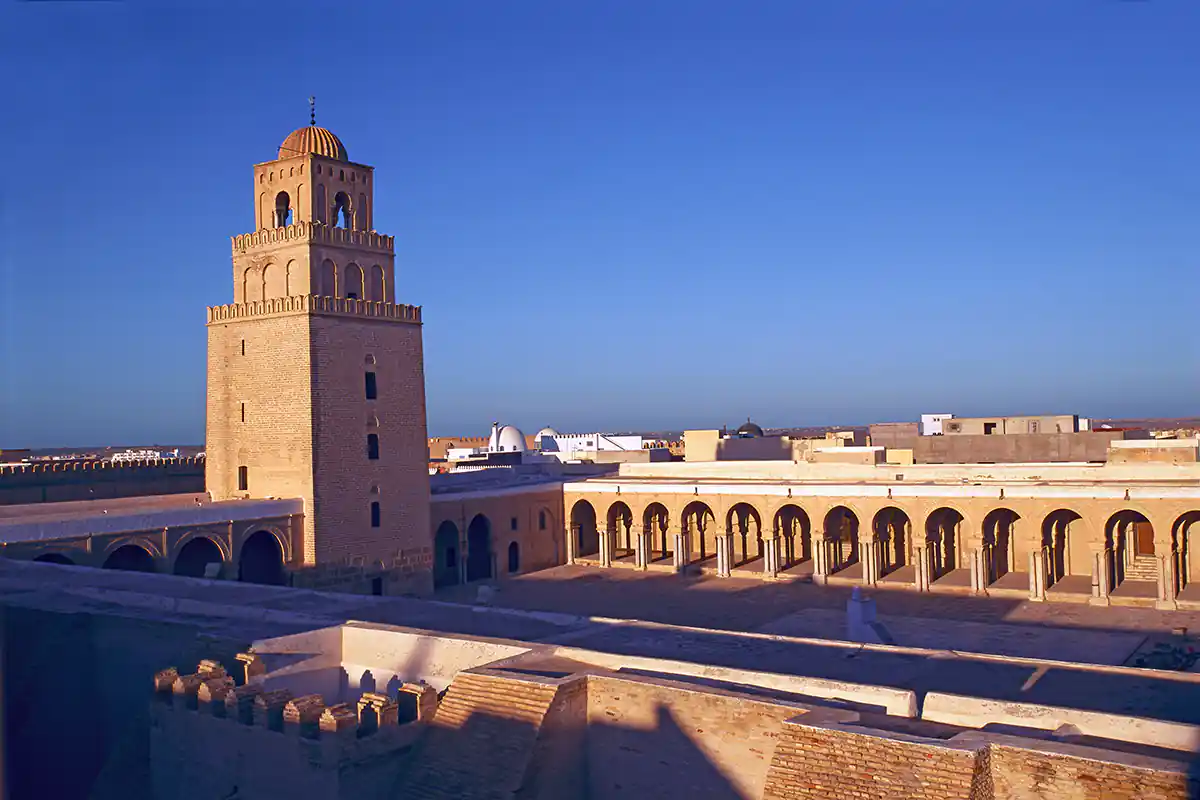
Kairouan is where Tunisia's story begins for many historians: founded in 670 CE, the fourth holiest city of Islam, capital of the Aghlabid dynasty and home to the oldest mosque in the Maghreb. Its UNESCO-listed medina remains one of the most authentic in North Africa, its hand-knotted carpets hang in collections worldwide, and its honey-soaked makroudh pastry alone justifies the detour.
This guide covers everything you need for a 2026 visit: the monuments, the medina, the food, the carpets and the practical logistics from Tunis or the coast.
Why visit Kairouan in 2026
Most visitors to Tunisia stay glued to the coast. Kairouan, about 156 km south of Tunis in the country's inland heart, rewards the short detour with something the beach towns cannot offer: thirteen centuries of nearly continuous history that you can walk through in an afternoon. It pairs perfectly with a Sahel beach stay, sitting roughly an hour from Sousse and Monastir by road.
The city is compact, affordable and walkable. One combined ticket (around 12 TND in 2026) covers the major monuments, and every essential sight lies within a fifteen-minute walk inside or just outside the medina walls.
At a glance:
- Founded: 670 CE by Uqba ibn Nafi
- UNESCO status: World Heritage Site since 1988
- Population: around 601,000 across the governorate
- Distance from Tunis: 156 km (about 2 hours)
- Nearest airport: Enfidha-Hammamet International, 61 km away
Top things to do in Kairouan
The Great Mosque of Uqba
The Great Mosque of Uqba is the reason pilgrims and architecture lovers have come here for over a millennium. Founded in 670 CE and rebuilt by the Aghlabids in the 9th century, it is the oldest mosque in the Maghreb and the architectural blueprint that later mosques across western Islam followed. The vast marble courtyard, the forest of antique columns and the square minaret feel closer to a fortress than a sanctuary, which is exactly what early Kairouan needed.
Practical details for 2026: open daily 8:00 AM to 2:00 PM, closed during Friday prayers. Entry is included in the combined Kairouan ticket (~12 TND). The courtyard is open to non-Muslim visitors; modest dress is required and provided wraps are available at the door.
The UNESCO medina
Inscribed on the World Heritage list in 1988, the medina of Kairouan keeps its full circuit of ramparts, its souks and its whitewashed lanes painted with blue and green doors. It feels noticeably less touristic than Tunis or Sousse: artisans still outnumber souvenir shops in several alleys. Inside, seek out Bir Barouta, the 17th century domed building where a blindfolded camel turns a wheel over an 8th century well whose water is said to be linked to the Zamzam spring in Mecca (closed Fridays).
The Mosque of the Three Doors
Small but historically huge: built in 866 CE by the Andalusian scholar Muhammad Ibn Khairun, the Mosque of the Three Doors carries the oldest sculpted façade in Islamic architecture, a wall of Kufic inscriptions and floral motifs you can admire freely from the street. The interior is reserved for Muslims, but the façade is the point.
The Zaouia of Sidi Sahbi (Mosque of the Barber)
The Zaouia of Sidi Sahbi shelters the tomb of Abu Zama'a al-Balawi, a companion of the Prophet who carried three hairs of his beard, hence the nickname. The 17th century complex is a feast of polychrome tilework, carved stucco and peaceful courtyards. Open 8:00 AM to 6:00 PM (from 7:30 AM in summer), with earlier closing on Fridays and Saturdays; included in the combined ticket.
The Aghlabid Basins
Built between 860 and 862 CE, the Aghlabid Basins are two open-air reservoirs, the larger one 128 metres across, that once secured the city's water supply. They remain a masterpiece of medieval Islamic hydraulic engineering. The panoramic terrace of the tourist office next door gives the best view; entry is included in the combined ticket.
Raqqada Museum of Islamic Art
Ten kilometres south of the city, in a former presidential palace, the Raqqada National Museum of Islamic Art displays Aghlabid ceramics, coins and manuscripts, including folios of the legendary Blue Qur'an, gold script on indigo parchment. Worth the short taxi ride for anyone interested in early Islamic art.
Carpet shopping in the carpet capital
Kairouan is the cradle of the Tunisian hand-knotted carpet, and buying one here, directly from workshops and showrooms in the medina, supports a craft tradition passed down through generations of women. Take your time, drink the offered tea, compare knot densities and negotiate without rushing. Even if you do not buy, watching weavers at work is one of the city's quiet pleasures.
What to eat in Kairouan
One word dominates: makroudh. These diamond-shaped semolina pastries stuffed with date paste, fried and soaked in honey have been Kairouan's signature since Aghlabid times. Buy them warm from medina shops, watch them being made, and accept that the ones you take home will not survive the week.
Beyond the sweets, look for kafteji, the chopped fried vegetable medley topped with egg that rules the city's lunch counters, and tabouna bread, baked against the walls of clay ovens and best eaten still warm.
Where to eat in 2026:
- Dar Abderrahman Zarrouk, a restored traditional house in the medina heart, prized for lamb couscous and briks in a heritage setting.
- El Brija Restaurant, perched on the ramparts near the Great Mosque, fish couscous and briks with a panoramic terrace.
- Nakcha Restaurant, contemporary grills and Mediterranean dishes when you want a modern break from the classics.
Getting to Kairouan and getting around
| Option | Time | Cost (2026) | Notes |
|---|---|---|---|
| Bus from Tunis | 2 to 2.5 h | ~13 to 15 TND | SNTRI coaches roughly hourly from Bab Alioua station |
| Car from Tunis | ~2 h | Tolls 5 to 8 TND | A1 motorway, exit Enfidha or M'Saken, then RN2 |
| Louage | varies | Tunis ~10 TND, Sousse ~5 TND | Shared minibuses, depart when full |
| Train | not available | n/a | No SNCFT passenger line serves Kairouan |
| City taxi | minutes | 3 to 6 TND | Yellow metered taxis |
| On foot | free | free | All major monuments within 15 minutes of each other |
Note there is no passenger train to Kairouan, so bus, louage or car are the options. From Sousse or Monastir, a louage makes Kairouan an easy day trip of about an hour each way; combine it with our Monastir guide for a heritage-heavy double bill.
Best time to visit
Spring (March to May) and autumn (September to November) bring the most comfortable temperatures for walking the medina. Summer afternoons are hot in this inland location, so structure your day around early mornings and evenings. The city is especially atmospheric during the Mawlid (the Prophet's birthday), when Kairouan hosts Tunisia's largest celebrations and pilgrims fill the zaouias; check the Islamic calendar for 2026 dates, and book accommodation ahead if your visit coincides.
A perfect day in Kairouan
- 8:30 AM: the Great Mosque of Uqba before the tour groups.
- 10:00 AM: medina wandering: souks, Bir Barouta, the Mosque of the Three Doors façade.
- 12:30 PM: kafteji lunch or couscous at Dar Abderrahman Zarrouk.
- 2:00 PM: Zaouia of Sidi Sahbi, then the Aghlabid Basins from the panoramic terrace.
- 4:00 PM: carpet workshops and makroudh shopping in the medina.
- 6:00 PM: mint tea on the ramparts at El Brija as the light turns golden.
Add the Raqqada museum if you have a second morning, then continue to the coast or inland; Kairouan also appears in our top 10 must-visit places in Tunisia.
Practical tips for 2026
- Combined ticket: buy it at the first monument you visit (~12 TND); it covers the major sites and is checked at each entrance.
- Dress: modest clothing is the norm at religious sites; scarves and wraps are lent at the Great Mosque.
- Friday: several sites close or shorten hours; plan medina shopping that day instead.
- Cash: small notes for taxis, pastry shops and the souks.
- Photography: ask before photographing artisans and worshippers.
First time in the country? Start with our 10 essential things to know before you go.
Final thoughts
Kairouan offers the densest concentration of early Islamic heritage in North Africa, wrapped in a medina that still belongs to its residents. Come for the Great Mosque, stay for the makroudh, leave with a carpet and the feeling of having seen the Tunisia most visitors miss. In 2026, that is a rare kind of travel reward.
Plan your visit on our Kairouan destination page, and browse single-day plans created by locals across Tunisia.
Continue Reading
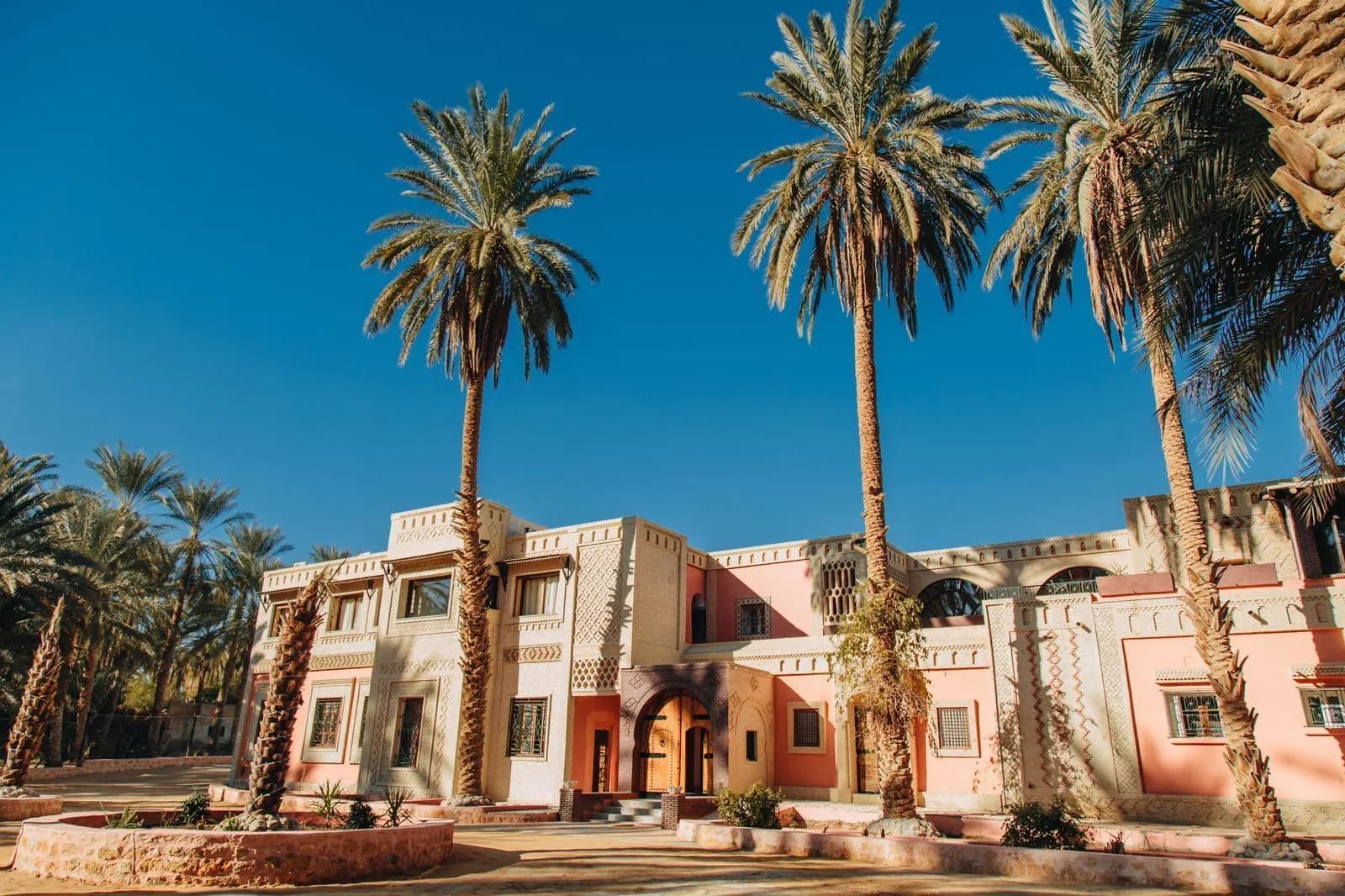
Tozeur Travel Guide 2026: Sahara, Oases and Star Wars Sets
Plan your 2026 Tozeur trip: 200,000 palm trees, mountain oases, Chott el Jerid, Mos Espa film sets, date cuisine and the reopened train line.
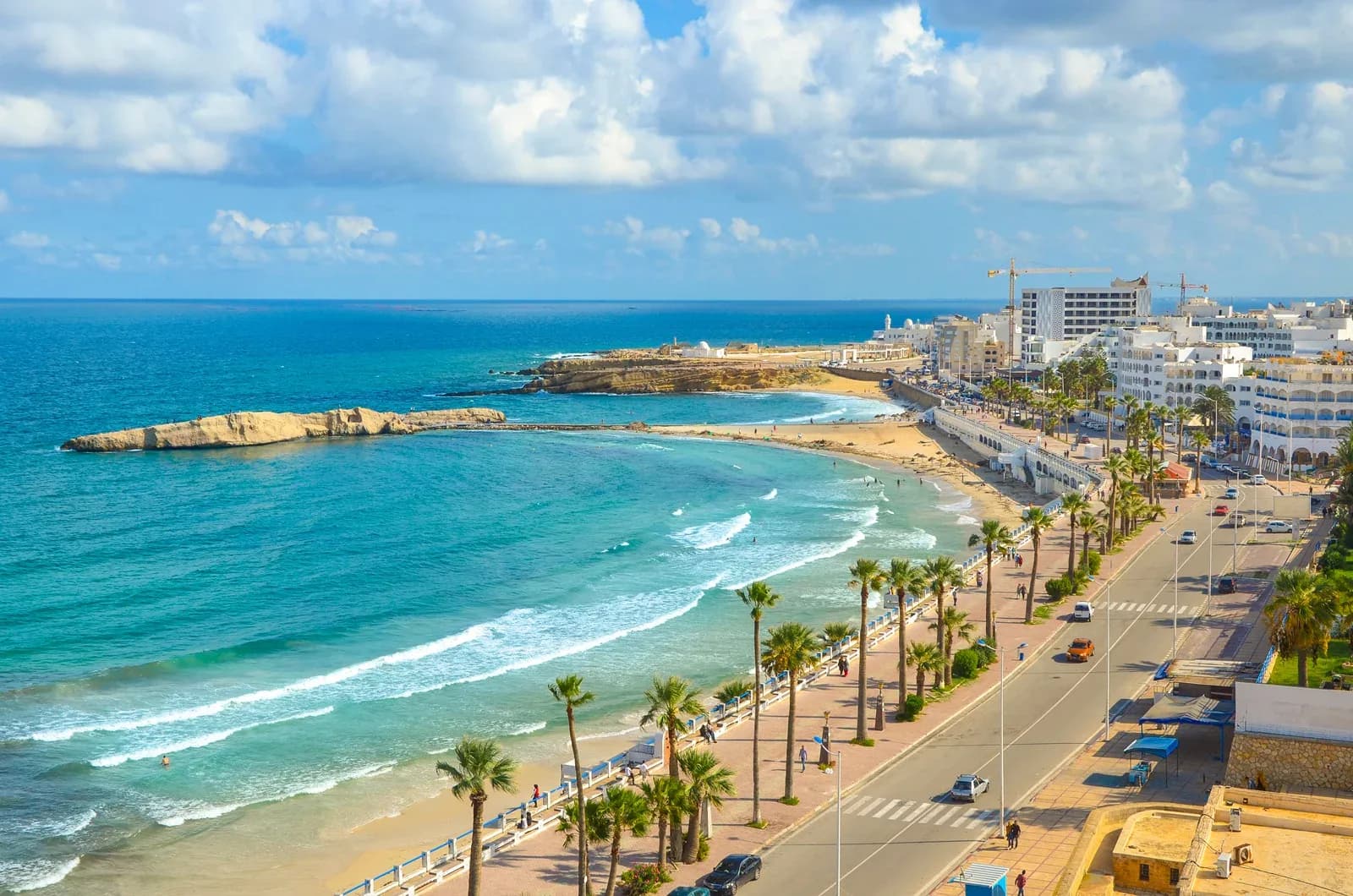
Monastir Travel Guide 2026: Ribat, Marina and Best Beaches
Everything for your 2026 trip to Monastir, Tunisia. Visit the 8th century ribat, the Bourguiba mausoleum, Kuriat Islands and the marina.
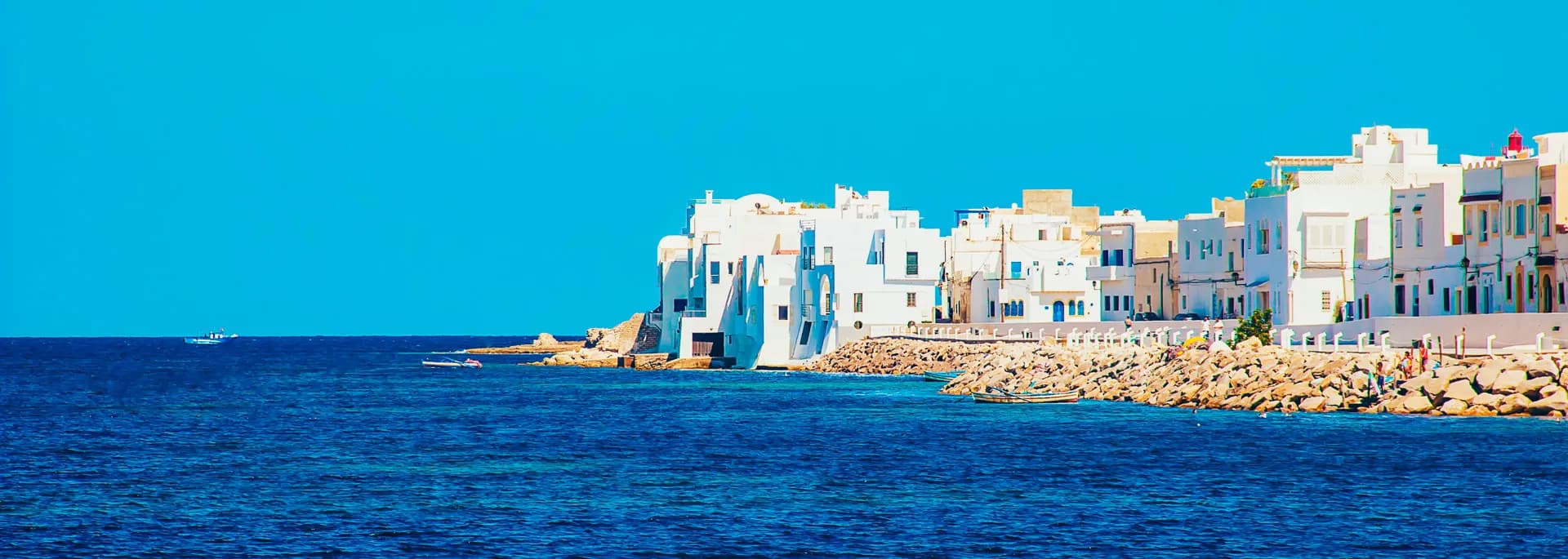
Mahdia Travel Guide 2026: Beaches, Medina and Local Food
Plan your 2026 trip to Mahdia, Tunisia. Explore the Fatimid medina, 35 km of beaches, the famous chapati and an easy day trip to El Jem.